
I — The String
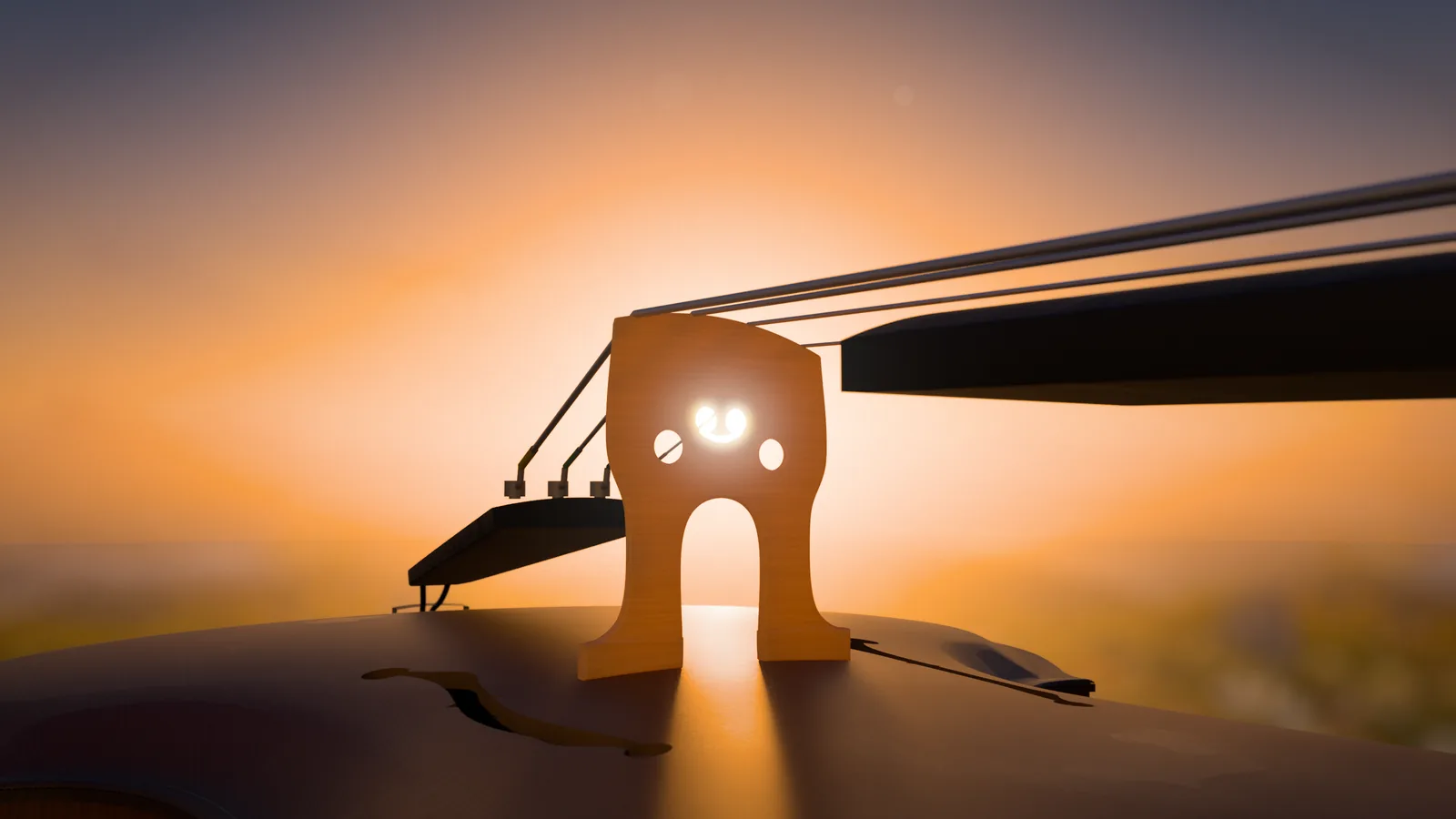
Sunlight, through the heart of a bridge.
Inside the screen: the same evening, a few centimetres from the strings. Every sound this instrument makes passes through this small piece of maple.

A universe born from a string
Cellist. Builder of curious things.
Fig. 0 — Evening on the hill. The old screen is listening to the strings.
PrologueLook closer.
I — The String
Inside the screen: the same evening, a few centimetres from the strings. Every sound this instrument makes passes through this small piece of maple.
I — The String
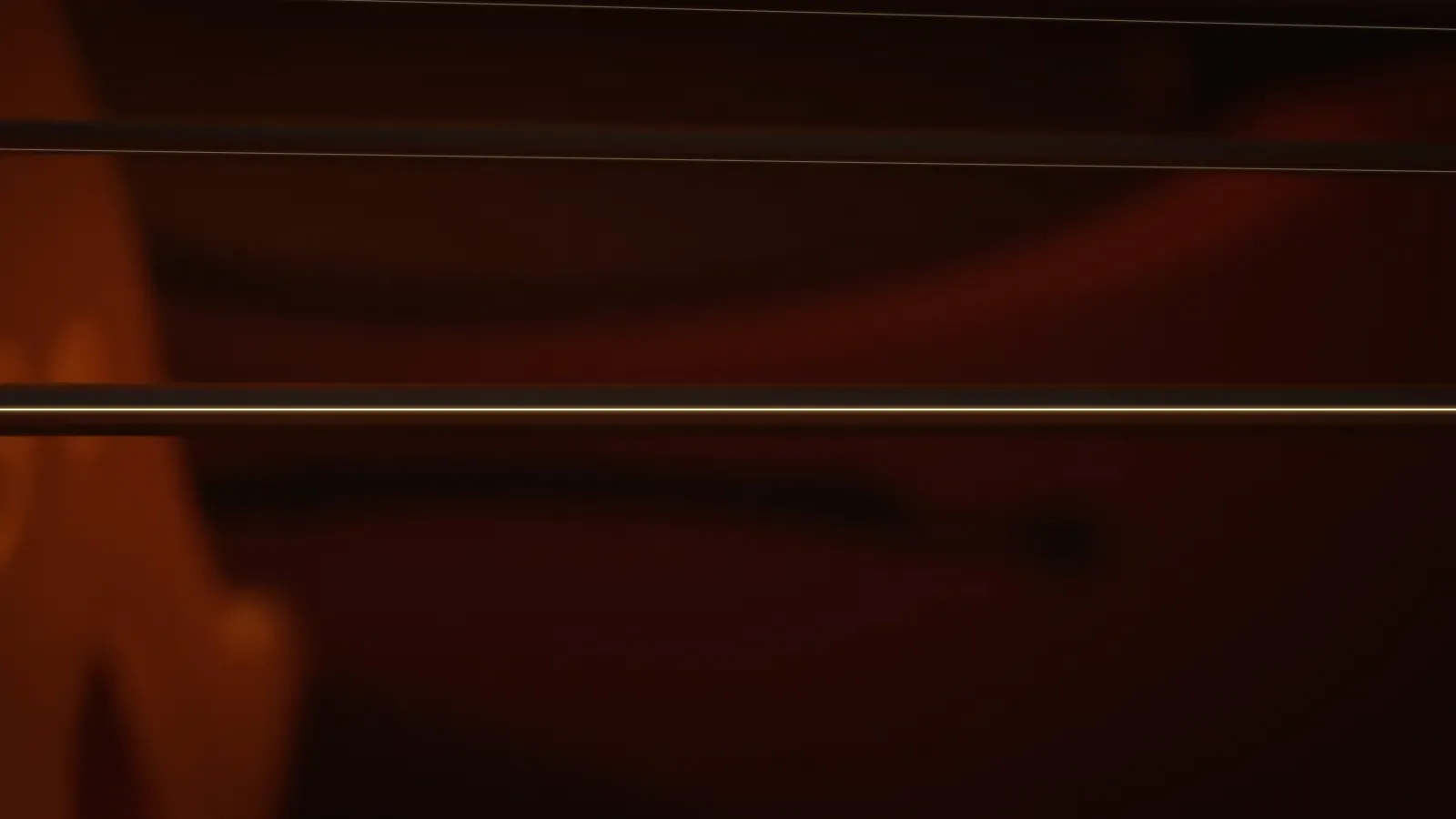
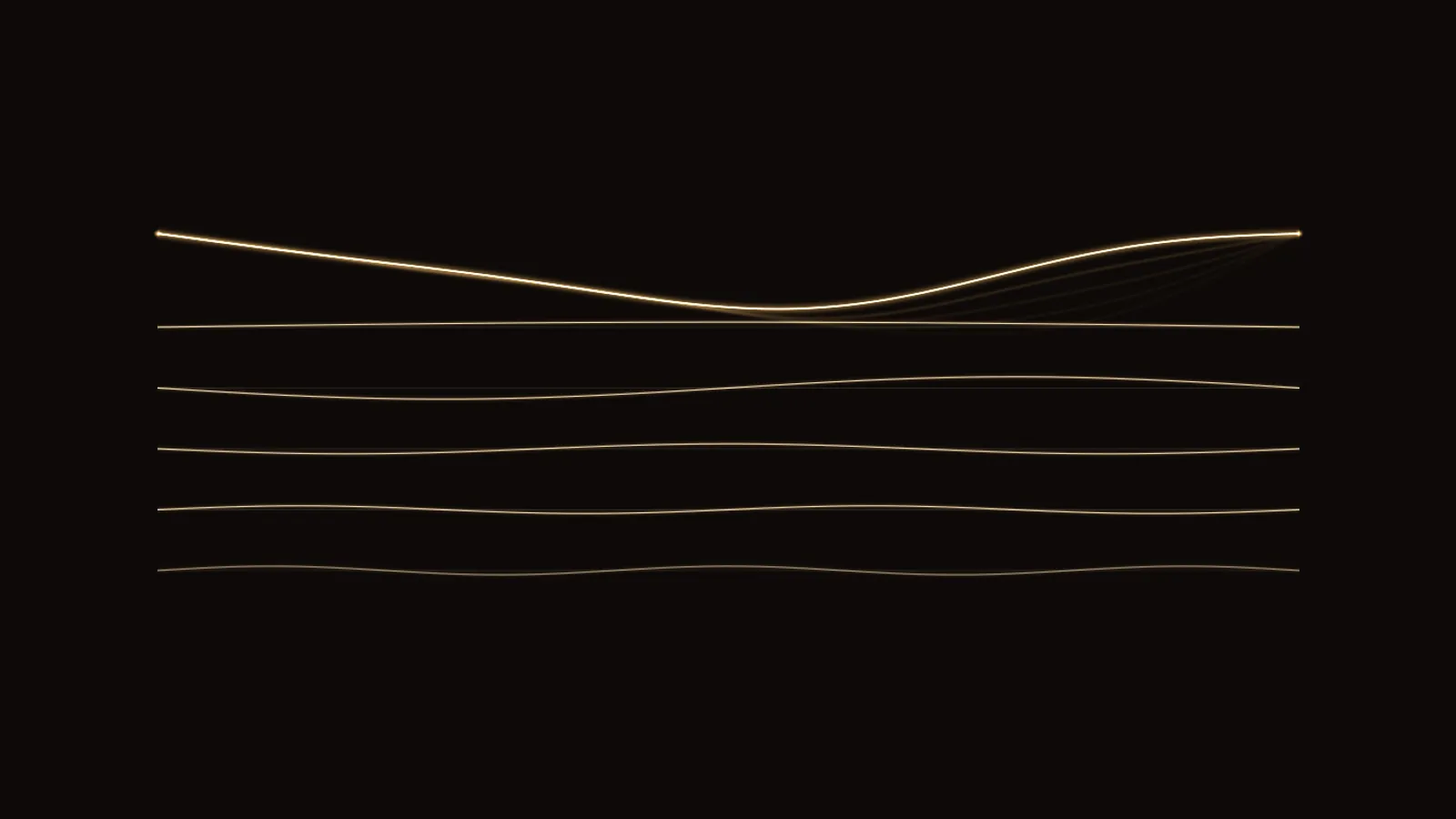
The C string is the cello’s lowest: about 69 centimetres of tungsten-wound steel under roughly fifteen kilograms of tension. Pluck it and, for an instant, it holds the shape of a triangle — then it begins to sing.
II — The Function
Fourier showed that the plucked shape is a sum of sine waves: a fundamental and its overtones, each a whole-number multiple of the first. On the C string that is 65.4 Hz, then 130.8, 196.2, 261.6… The ear hears one note. Mathematics hears a chord.
II — The Fifth
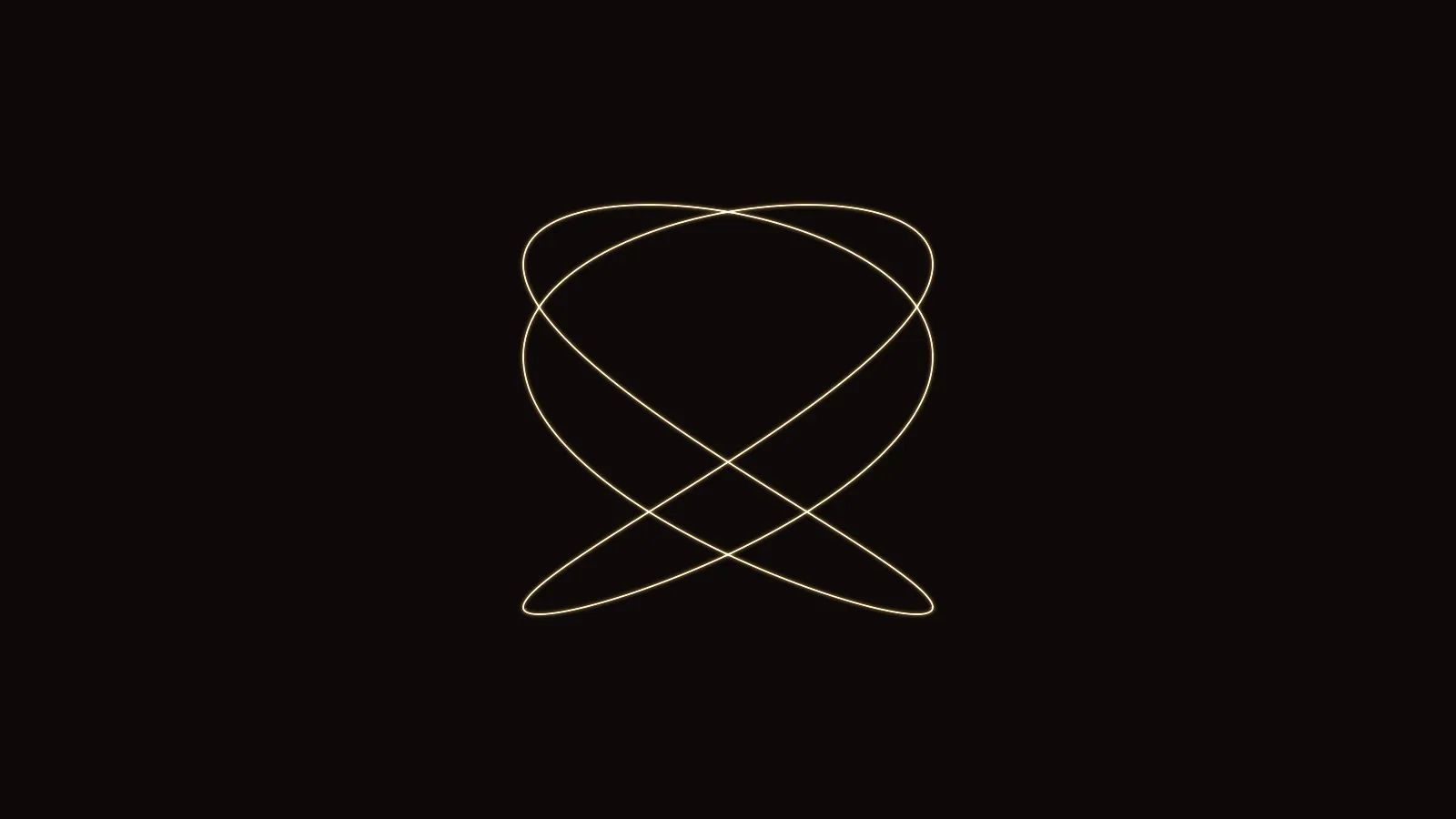
A cello’s four strings are tuned in perfect fifths — their frequencies stand in the ratio 3 : 2. Feed two such vibrations into an oscilloscope, one sideways and one upright, and its screen traces this Lissajous figure.
∫ — the sound holes of a cello are called f-holes. They also happen to look like an integral sign.
III — The Orbit
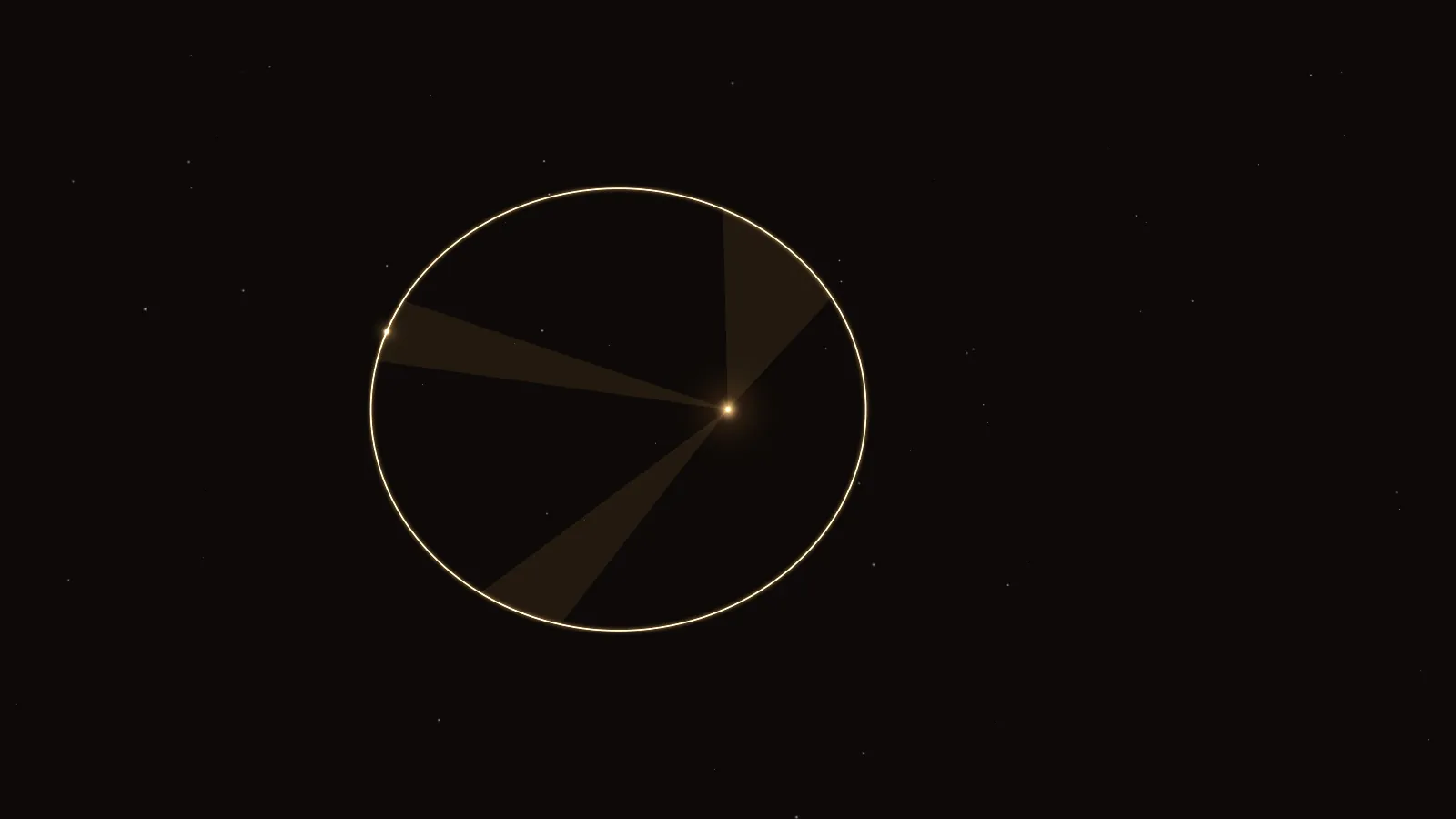
Two equal vibrations a quarter-cycle apart trace an ellipse. Move its centre to a focus and let time follow Kepler’s equation, and the same curve becomes a planet’s path — sweeping equal areas in equal times.
III — The Planet
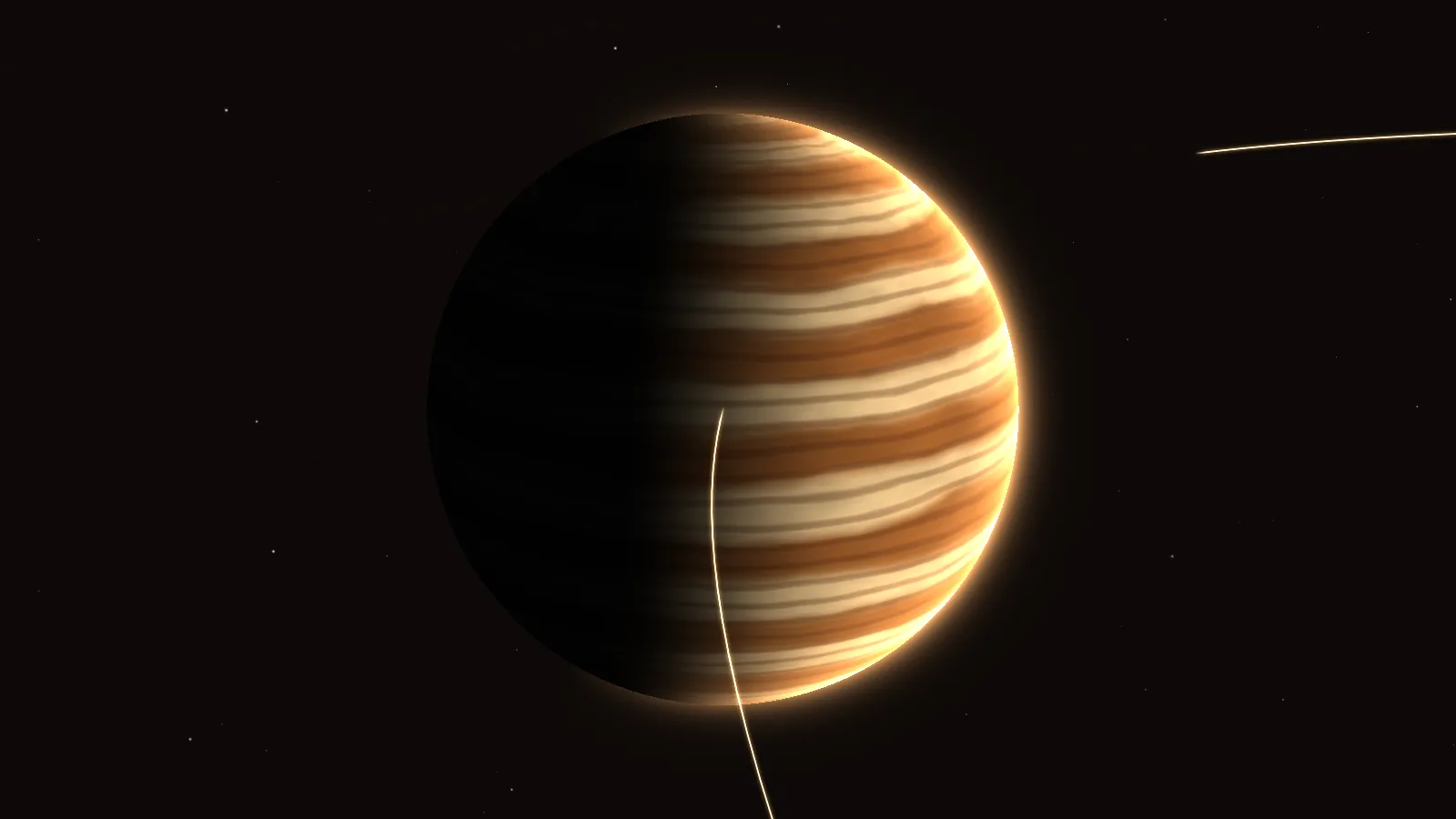
An orbit is a fall that never lands. The light on this world comes from the focus of its ellipse — the same low sun that shone through the bridge.
Scrolling moves the camera; every card and room can also be reached with the keyboard.
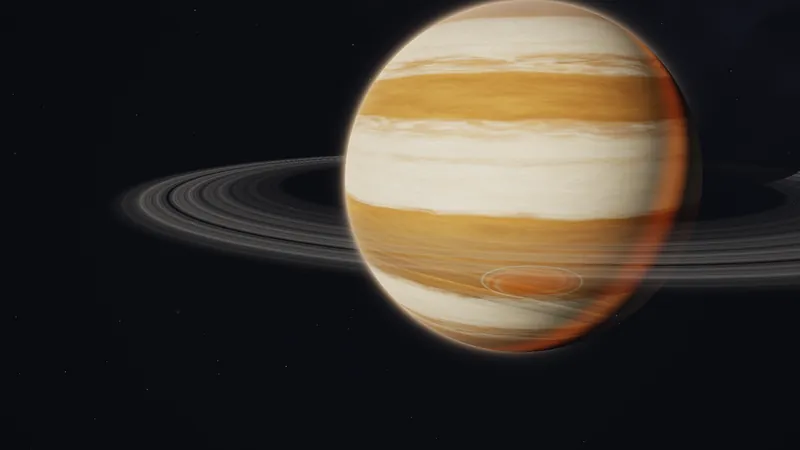
IV — The Universe
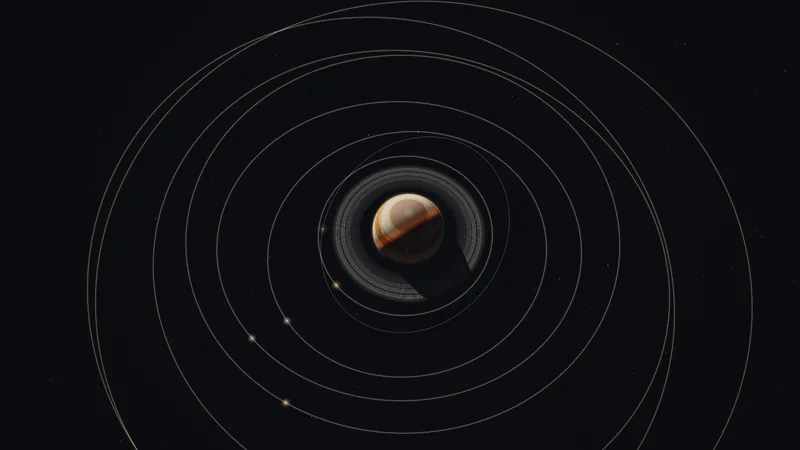
The planet of the last act is a gas giant. Round it, on seven tilted orbits, turns a cabinet of curiosities: seven instruments, each one a game, or the beginning of one.
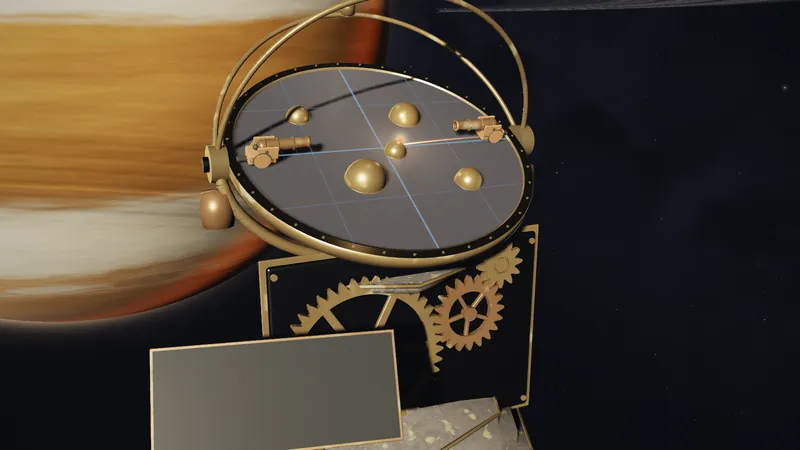
01 — GRAPHWARIn development
A brass instrument for aiming with mathematics: write a function, and its curve becomes the shot.
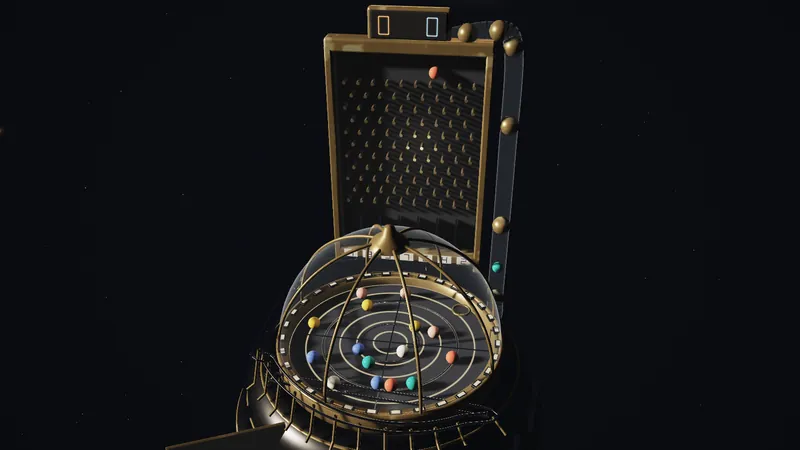
02 — BALLGAMELive
Spheres collide, race and fall through the pins: the arena and the number drop in one glass sculpture.
Arena · Number Drop
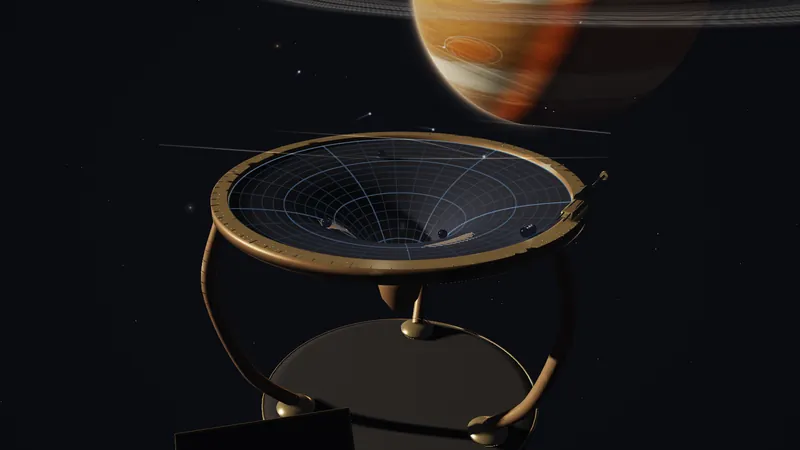
03 — GRAVITYComing soon
Marbles orbit a curved well, precess like Mercury, and fall at last to the mass at its heart.
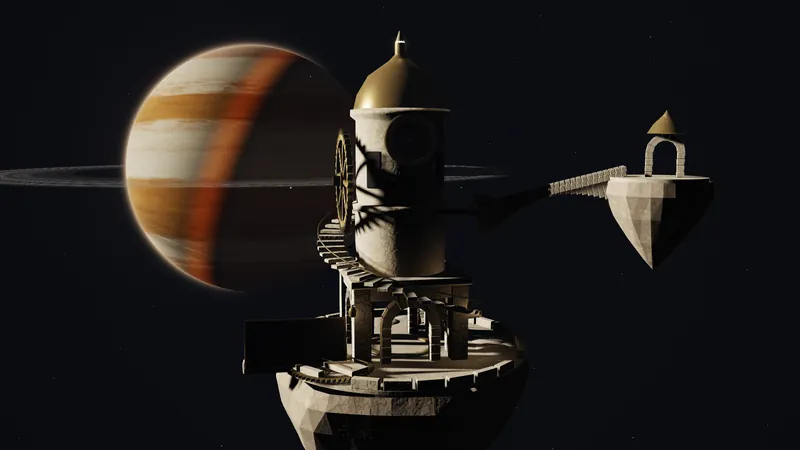
04 — PARALLAXOpening soon
Stairs, wheels and a bridge whose two halves meet from one place only. Stand there, and someone crosses.
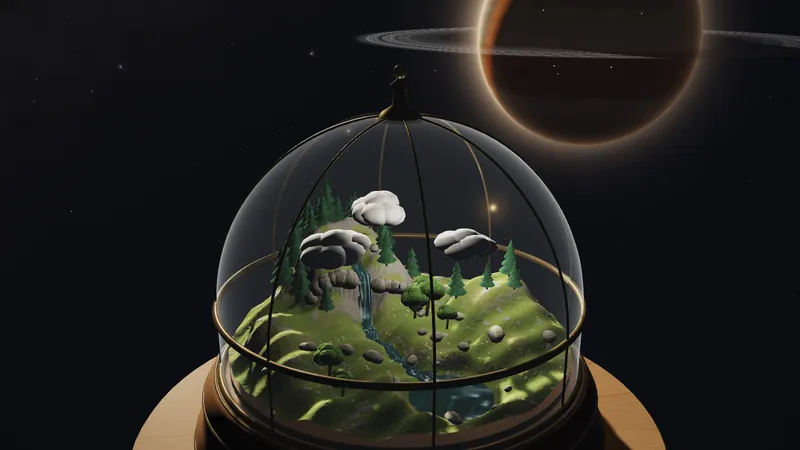
05 — TINY WORLDSOpening soon
A valley under glass: a stream, a pond, deer and birds, passing weather, and a day that lasts a minute.
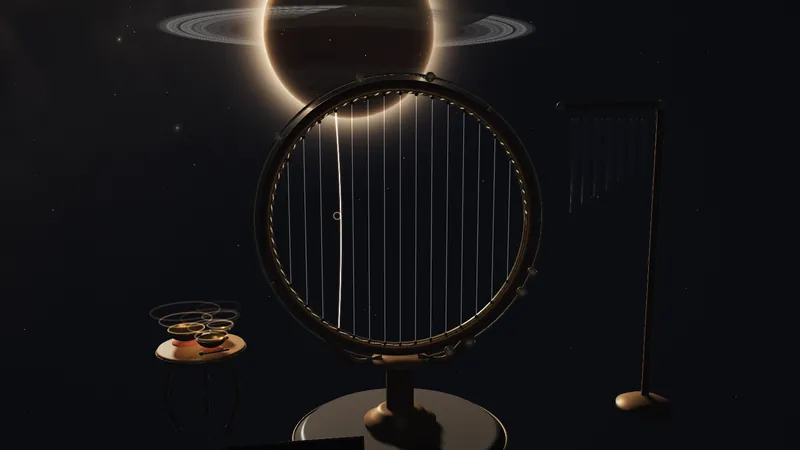
06 — RESONANCEComing soon
Fifteen strings across an orbit, seven chimes, three bowls. Draw the pointer across the strings to play them.
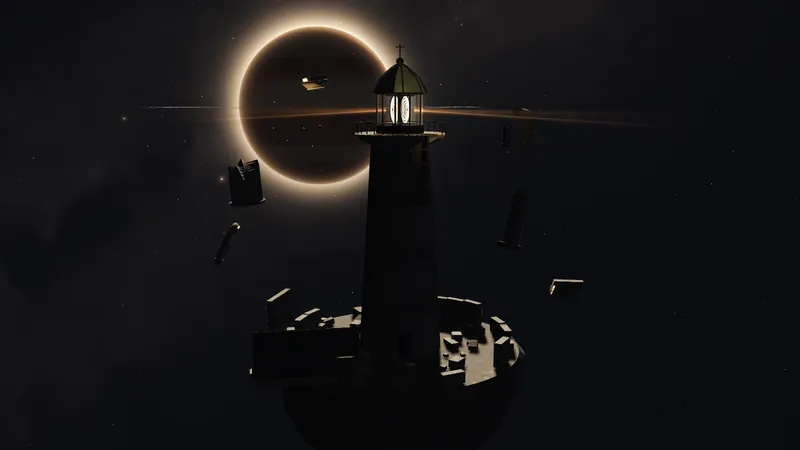
07 — AFTERGLOWComing soon
A ruined lighthouse. Its amber beam lights the writing on the ruins, which fades only slowly after it has passed.
V — The Cabinet
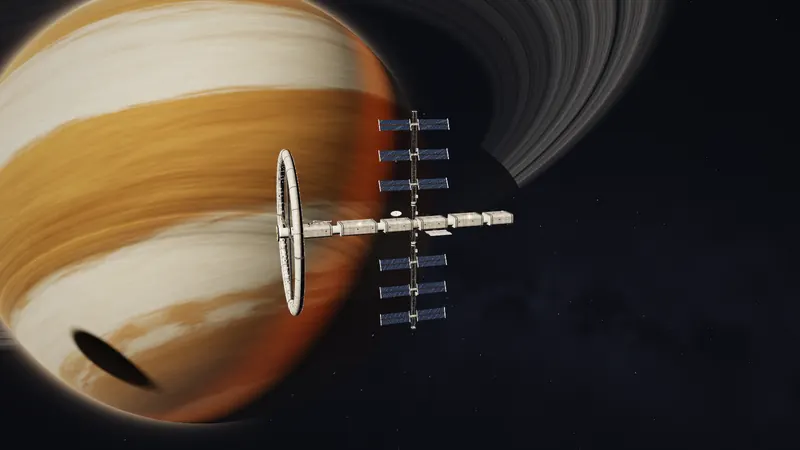
Their periods run one to seven, like the overtones of a single string, so they are never all in line. Further out, a station keeps its own slow orbit: that is where everything else lives.
Global Space Launch TrackerLive
The station shares its name with my launch tracker: a global view of what goes up next, with missions, rockets and accurate times, all cited.
Open ORBITAL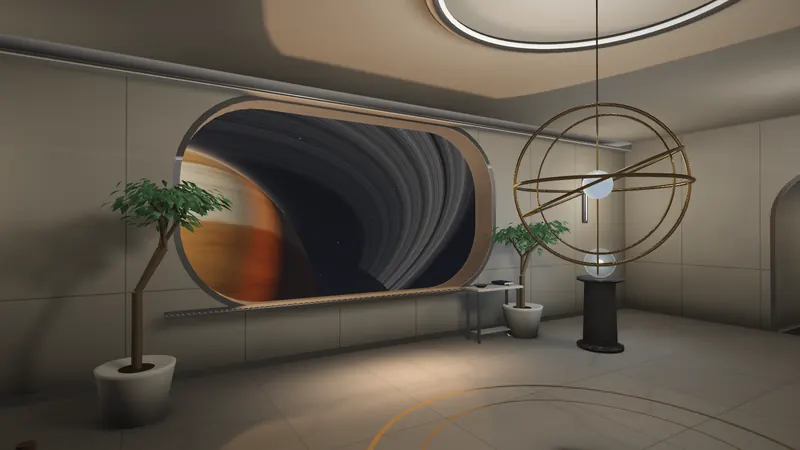
VI — ORBITAL
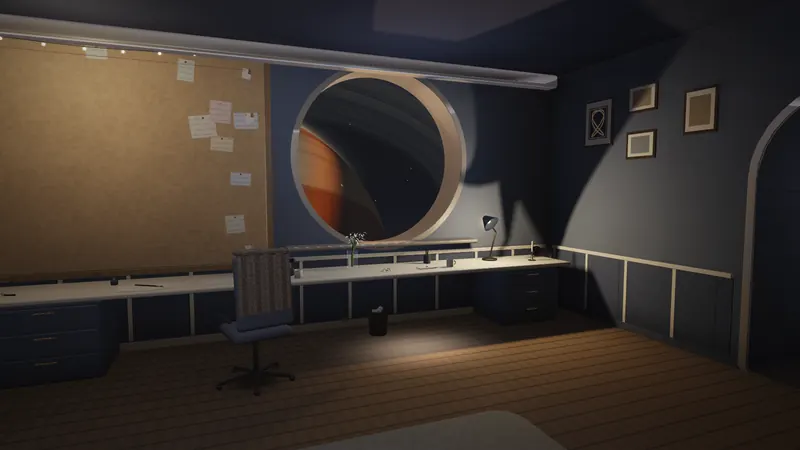
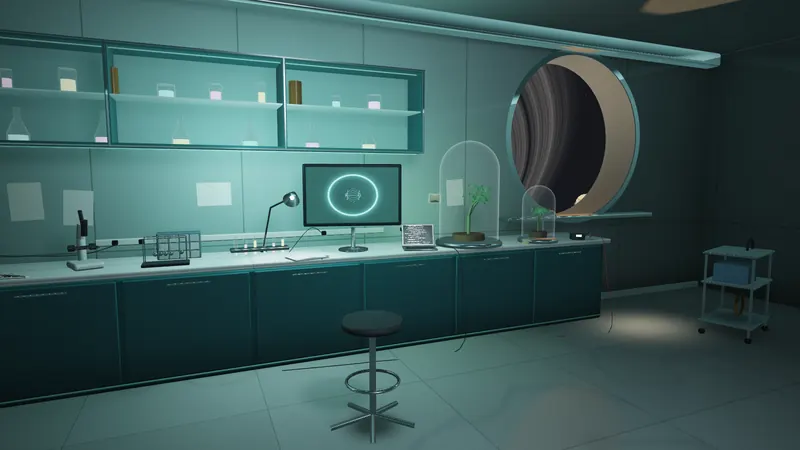
One room after another along the station’s spine: music, letters, writing, experiments and mathematics. Outside, the ring turns once every sixteen seconds, for gravity.
VII — The Listening Room
米哈伊尔・普莱特涅夫
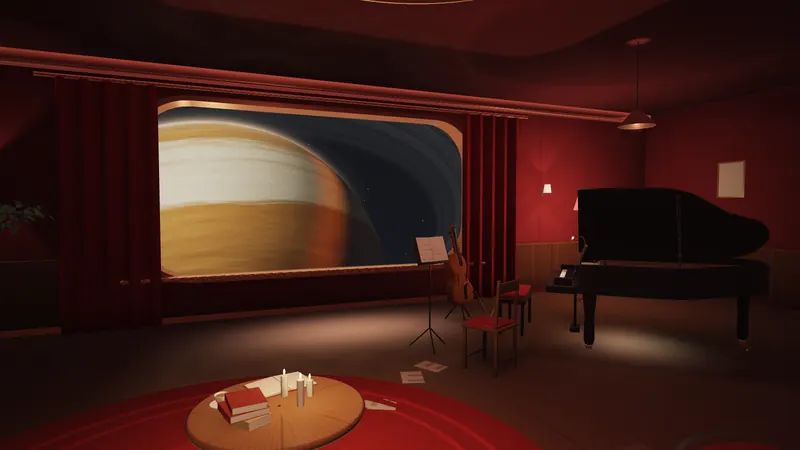
A little space to listen.
Listen in Apple Music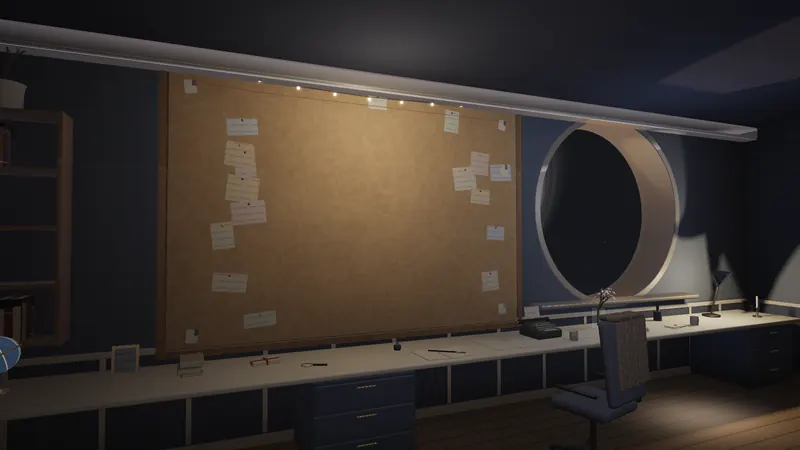
VIII — The Archive
A name, a thought, or simply proof that you passed by. Every visit leaves something behind.
Recent tracesOpening the book…
Opening the book…
IX — About
I play the cello. I build things for the web. I look up, and wonder.
Music, mathematics and the stars rarely fit in the same folder. This is a place for the connections — and for the things I make along the way.
Lanzhou, China · UTC+8
X — The Laboratory
Tools and science
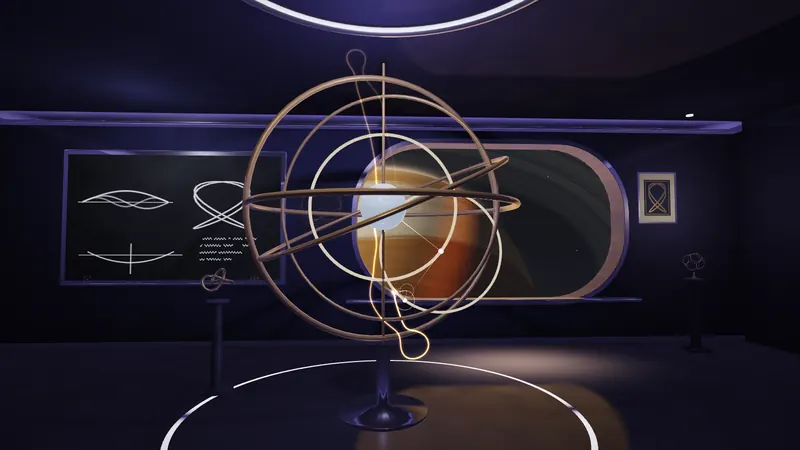
XI — Mathematics
Thirty-six circles, each turning a whole number of times, trace the outline of a cello’s f-hole: Fourier’s idea from the opening film, made visible. The same mathematics runs both studios below.
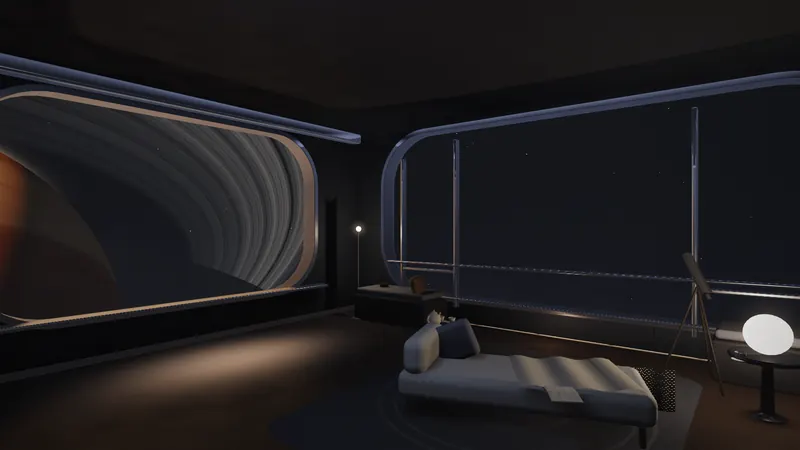
XII — Open Space
The station ends in glass. Far ahead, one light does not belong to any star.
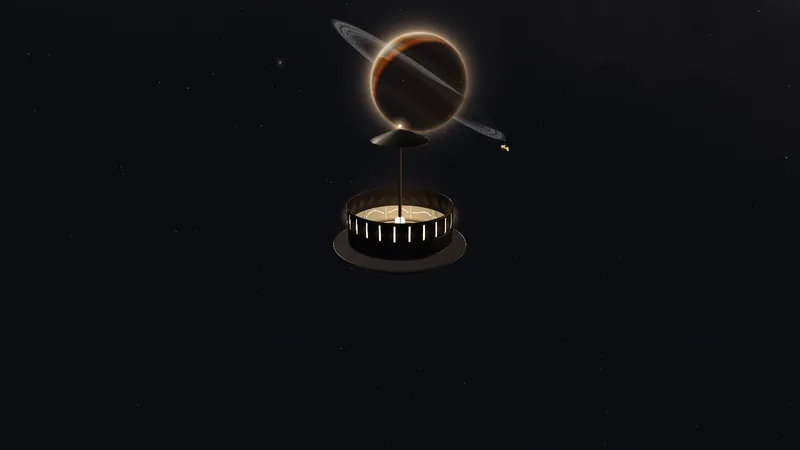
XII — Open Space
A zoetrope, the oldest machine for moving pictures, built the size of a cathedral: slits, a lamp, and frames of a string that will not stop vibrating.
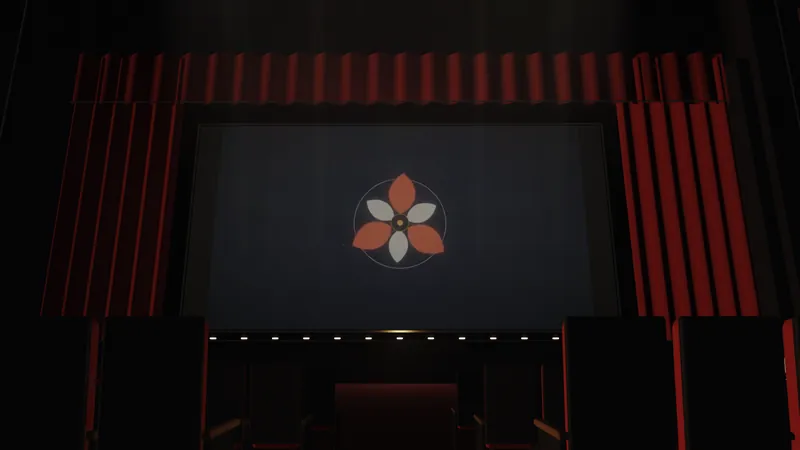
XIII — The Cinema
XIV — Distance
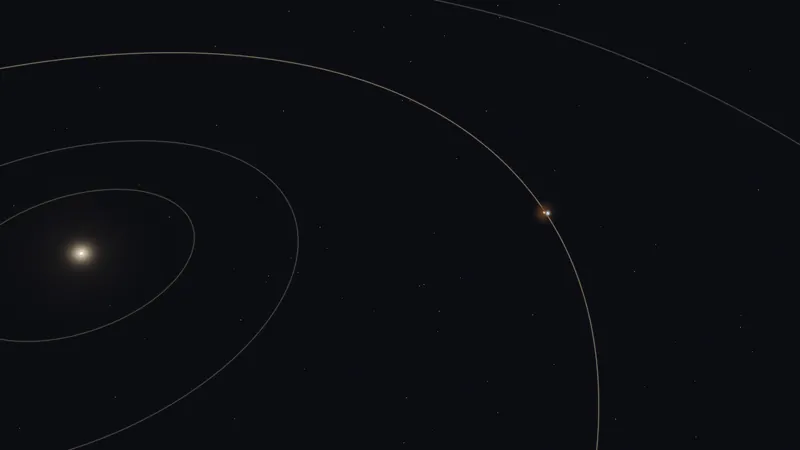
The giant and its seven artifacts, the station, the lantern: all of it now circles one ordinary star, with three other planets for company.
XIV — The Galaxy
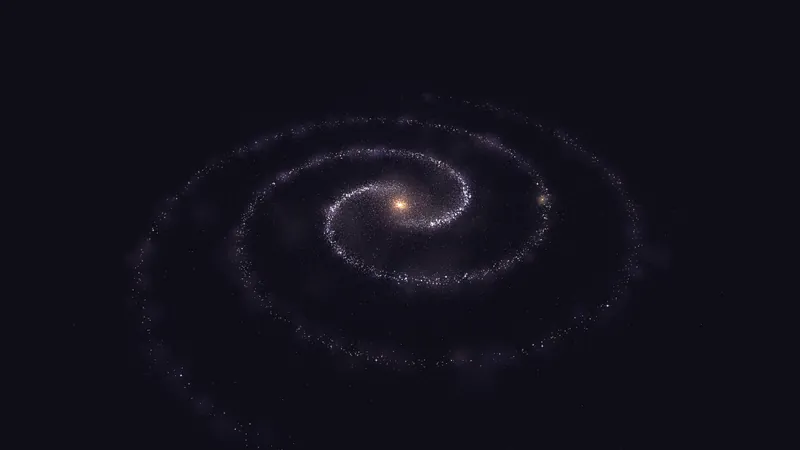
The band of stars we flew under was this disc, seen from inside. Our sun is the small warm light low in an arm. And all of it is about to fall back onto one string.
XV — Coda
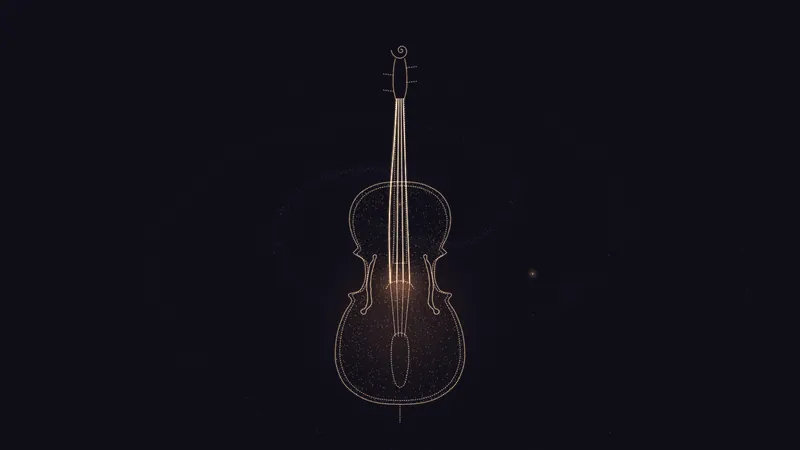
This place has an original score. Sound is off until you choose.